Pharmaceutical impurity standards
Pharmaceutical impurity standards, documented and ready to ship
Impurity standards, reference standards and metabolites for pharmaceutical R&D — with COA, SDS and analytical data for every lot.
Try 62-75-9, valsartan or nitrosamine.
Browse by drug substance
Every impurity standard we hold for one parent drug, on a single page.
19 drugs →Browse by impurity type
EP Impurity, Nitrosamine, Process Impurity, Degradant, USP Related Compound, Metabolite.
6 types →Read before you buy
Technical notes on method development, COAs and nitrosamine control.
6 articles →Per lot
Full documentation
COA, SDS and HPLC or LC-MS data issued with each lot, not only on request.
Dual
ISO 17034 accreditation
Reference material produced under CNAS and ANAB accreditation.
mg → g
Custom synthesis
Bulk supply and made-to-order synthesis from milligram to multi-gram scale.
Featuring this month
All impurity standards →
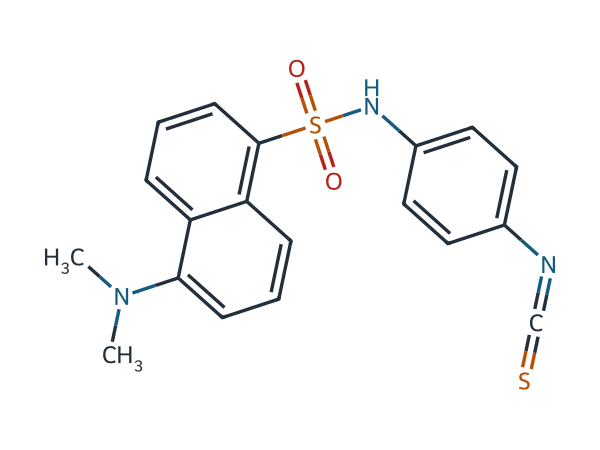
4-(N-1-Dimethylaminonaphthalene-5-sulfonylamino)phenyl Isothiocyanate
CAS102417-94-7
Cat. no.D461000
Purity
COA on file
Browse the catalogue
Open the catalogue →EP Impurity
Impurities named in European Pharmacopoeia monographs, identified by a letter in the monograph text.
Nitrosamine
Potentially mutagenic impurities controlled under ICH M7 and the nitrosamine guidance that followed the sartan recalls.
Process Impurity
Compounds carried through or formed during synthesis, and controlled as specified impurities in the specification.
Degradant
Impurities formed on storage. They are the target of stability-indicating methods and of forced degradation studies.
USP Related Compound
Related compounds named in United States Pharmacopeia monographs.
Metabolite
Metabolite standards used to confirm structure assignments in metabolism studies and as calibrants in bioanalytical methods.
Notes from the lab
All resources →Technical note
How to read a Certificate of Analysis
Which fields decide whether an impurity standard is fit for your method — and which ones people skip.
Regulatory
ICH M7 in practice: classifying and controlling mutagenic impurities
How Class 1–5 assignment changes what you need from a reference standard.
Technical note
Method development for nitrosamine impurities
Sensitivity, blank contamination and the column choices that actually matter.
Nothing matched what you need? Send the structure or the target impurity and we will quote custom synthesis — most requests are answered within two working days. Start a custom synthesis request →